Art Gallery
A visual journey through the themes and insights of HuffmanWrites.
Page 6 of 13 · 149 images total

The Unstated Sheet
An American ream of paper is labeled with the dimensions of a parent sheet and the weight of five hundred of them. Neither number describes the paper inside.
Read Post
The 2027 Wall
Nvidia's own guidance implies roughly $650 billion of revenue in calendar 2027, against hyperscaler capital spending of $1.3 trillion. My base case is that the first crack in the AI trade appears in the second quarter of 2027, and that the calendar tells you where to look.
Read Post
The Life and Times of Ryan Holiday
The marketer who carried Stoicism into the present: a Sacramento childhood, an apprenticeship at nineteen, ten million books, and the lecture he would not cut.
Read Post
The Life and Times of Epictetus
A slave in Nero's household, lame for life, driven out of Rome, and the author of nothing: how a freedman's lectures became the most practical philosophy of the ancient world.
Read Post
The Deed Unannounced
A sanctions statute set aside two days before it took effect, an executive order that raised tariffs and then waived most of them, a court that gave twenty-seven congregations their standing back, and an election ten days out. Marcus Aurelius had the line that sorts all of it: stop talking about the man a good man ought to be, and be such.
Read Post
The Life and Times of Seneca
A Spanish-born rhetorician's son who could not breathe easily, governed Rome as a tutor, wrote 124 letters on how to spend a day, and died by inches on Nero's order.
Read Post
The Ball in the Hand
A vote is not an opinion. It is an opinion that has been served, and the rules of the serve decide whether it ever becomes a point.
Read Post
The Life and Times of Marcus Aurelius
The emperor who ruled through plague and war and wrote a private notebook in Greek: what Marcus Aurelius actually did, what the Meditations actually are, and why the practice still works on a modern morning.
Read Post
Feeling Behind
Alfred Adler in plain language: why feeling inferior is an engine rather than a defect, what a style of life is, and the places where his theory breaks down.
Read Post
The Work Is the Reward
A week in which the case against the government was measured and published, an election three weeks out found its largest bloc still at home, Ukraine showed what a society does when it cannot afford to lose, and a president traded a piece of American credibility for less than a day of diesel. Marcus Aurelius had the line that sorts it: the deed is already the payment.
Read Post
The Damage and the Defense
A documented account of what the second Trump administration has done to American democracy, the rule of law, and the household budget, and a concrete answer to the only question that matters next: what can be done about it.
Read Post
The Machine Is the Collateral
CoreWeave rents out the machines that train AI and borrows against them. On October 14, 2026, its stock fell 15 percent and its bonds traded toward distress, and the financing structure I described in July acquired a price.
Read Post
The Failure of Russia
Judged as a state that was supposed to secure its people's future, Russia has failed: a shrinking population, a captured economy, and a war that consumes its own. The failure belongs to the system, not the people it was built to serve.
Read Post
The Imperative to Survive
Ukraine's wartime inventiveness is not a national temperament. It is what a whole society does when survival is the only option left, and it is worth understanding precisely because it is not a miracle.
Read Post
A Party of One
The Republican Party of 2026 is not a coalition of ideas but a loyalty test with a treasury attached. This essay traces how it got there, what it costs, and the three levers that could make it a party again.
Read Post
The Empty Seat
Three weeks out from November 3, the largest bloc in the American electorate is still the people who do not show up. The margin is small, the bench is full, and the seat does not fill itself.
Read Post
Too Little Too Late
On October 9, 2026, President Trump announced that Russia would send diesel to the United States, and the Treasury suspended sanctions on Russian diesel minutes later. The first shipment is less than a day of American demand, Russia cannot spare the fuel, and the reversal lands three weeks after the president signed the law meant to punish Moscow. The volume is too little. The timing is worse.
Read Post
Five Questions on One Ballot
Missouri voters face five statewide questions on November 3: four constitutional amendments and one referendum on the congressional map. Here is what each one actually says, what it changes, and where I come out on it.
Read Post
Preventing Woke AI
Executive Order 14319 requires federal agencies to procure only 'truth-seeking' and 'ideologically neutral' AI. The order defines neutrality as the absence of DEI, critical race theory, transgenderism, and systemic racism. Meanwhile, Grok praised Hitler and received a $200 million Pentagon contract, and Anthropic was blacklisted as a supply chain risk for refusing to allow mass surveillance. The procurement process has become an ideology filter.
Read Post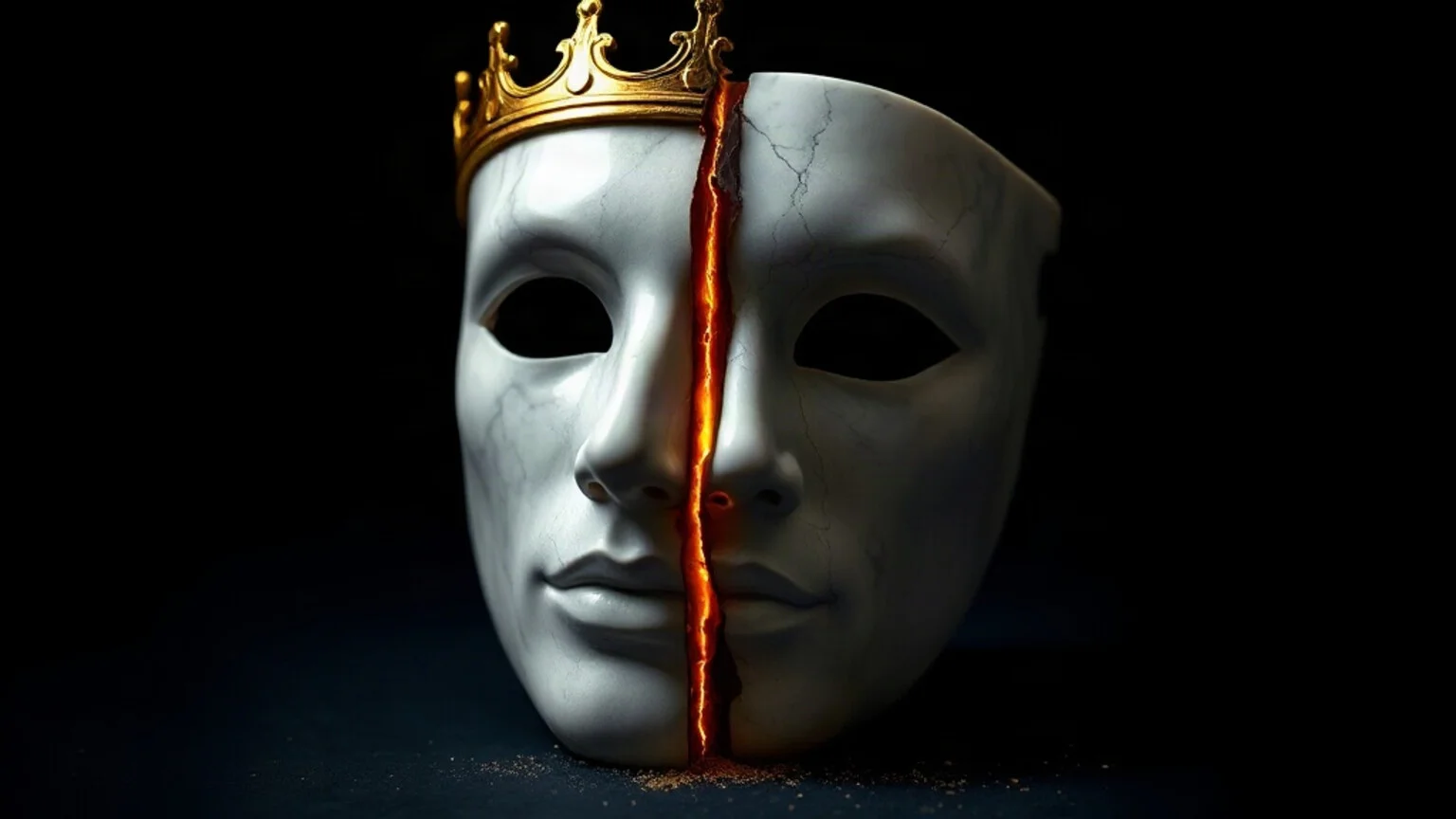
The Deepfake Presidency
The first president to govern through synthetic media. Trump's Truth Social feed carries dozens of AI-generated posts: himself as pope and Superman, his opponents in handcuffs, a former president dragged away by fabricated FBI agents. This is not a communications quirk. It is a theory of power.
Read Post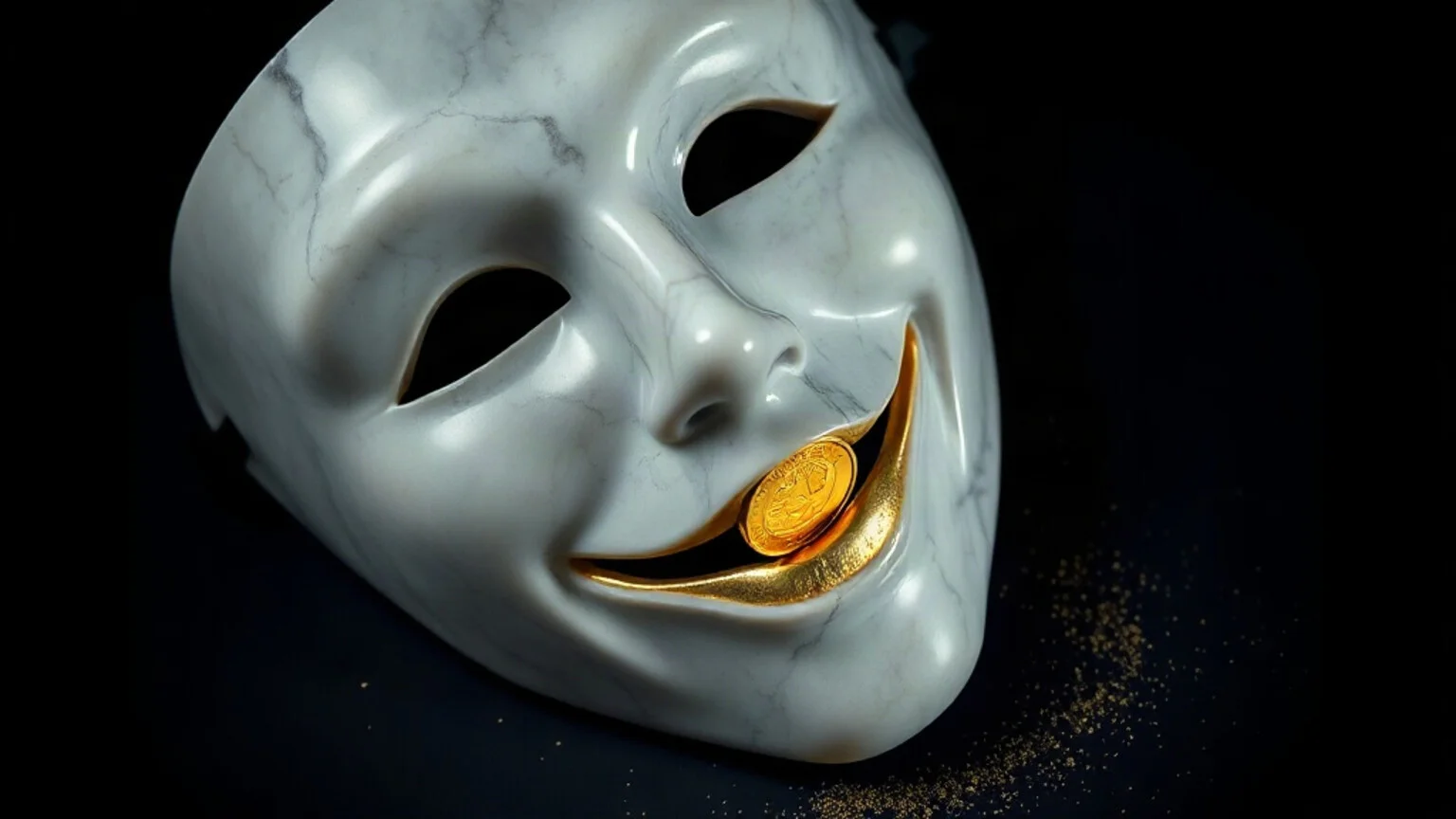
The Grift at the Top
Grift is what corruption looks like when it stops hiding. This essay traces the pattern: a president who treats office as a revenue stream, a family that monetizes access, and a political system that has stopped pretending to care.
Read Post
The Thing Not Done
Twenty months of apologies for cruelty called rhetoric, a government that cannot measure its own contracts, three SITREPs in which an emergency tax order and a $70,000 student fee moved by notice, a Senate the professionals have begun to call for the Democrats, and a receiver room that got thinner as the wins got bigger. Marcus Aurelius had the line that sorts all of it: he often acts unjustly who does not do a certain thing.
Read Post
On Time and Under Budget
The question asks what share of federal contracts finished on time and under budget, and compares one administration with the last. No federal system records that share, the series that comes closest measures something narrower, and the dashboard that came closest of all is being switched off.
Read Post
My Apologies
A confession: twenty months of explaining, contextualizing, and excusing the second Trump administration, each apology spoken in good faith and each one undone by his own next sentence.
Read Post
The Deed Shows Itself
The president rejected Iran's seven-day plan to reopen the Strait of Hormuz and the talks continued anyway, the ten-year Treasury broke a record last set in 2007 before a weak jobs report deferred the rate increase the market had priced, Russia hit Ukraine's power grid harder than at any time since spring, Germany's parliament debated whether to ban a party that leads the polls, and diesel set a record on both sides of the Atlantic. Marcus Aurelius had the line that sorts all of it: it will soon show itself by acts.
Read Post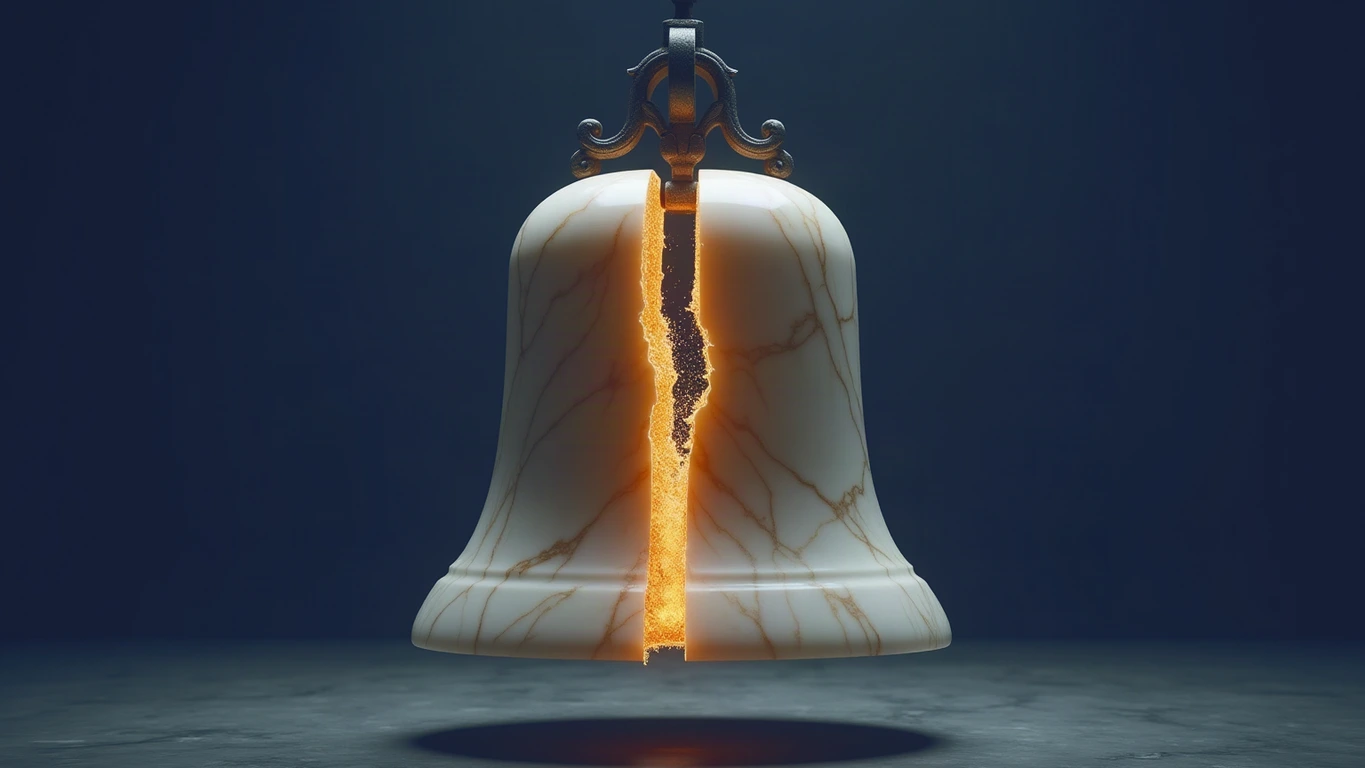
Idiot Is a Political Word
The Greek idiōtēs was the private man who held no public office and took no part in public affairs. The country now has the opposite problem: the private man who takes part only to burn the house down. Anger is not citizenship, and a republic cannot be governed on rage.
Read Post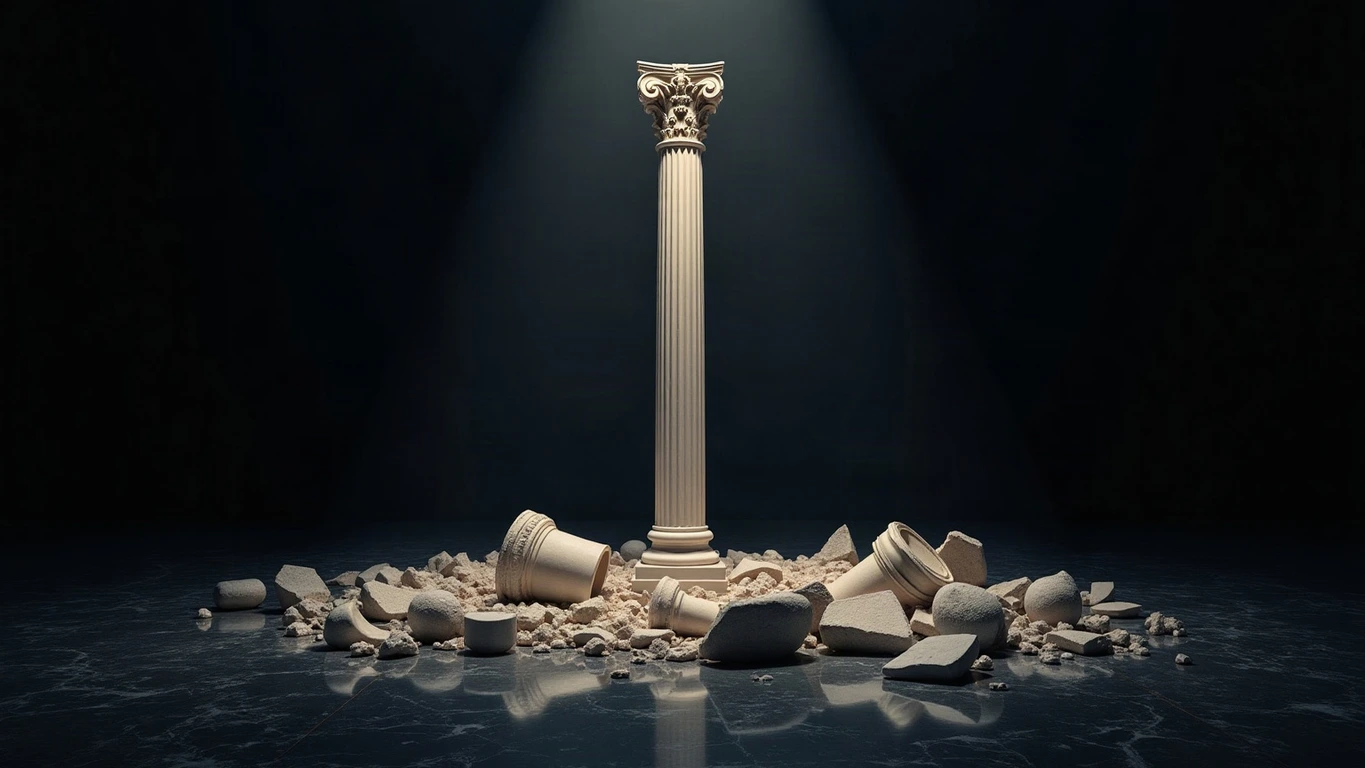
One Column and the Rubble
Ninety days from this morning is December 30. The quarter closed with the index two percent below its record and one sector carrying it, the strategists have started raising targets again, and the date that decides the year is not the election but November 17.
Read Post
The Level Line
Ninety days from this morning is December 30. The strait is reopening and the price of oil is not falling, the Treasury raised its buyback bid and then declined to pay it, and the ten-year has already reached the top of the range this series set for December.
Read Post
Fifteen Hundred Hours to Cut Hair
Missouri requires a cosmetologist to finish fifteen hundred hours of training before touching a citizen's hair, and requires a senator to be thirty. The two standards met in the same Senate hearing room on Tuesday.
Read Post
The Tide and the Gate
One party's presidents have presided over a faster-growing economy for seventy years, and the finding is statistically real. The paper that established it also explains why the partisan reading of it fails, because the cause it found was not policy.
Read Post
The Arch and the Keystone
One party holding the House, the Senate, and the White House sounds like the condition for getting things done. Split unified government in two, and the advantage belongs to only one of its forms: what looked like a composition effect is a party effect in disguise.
Read Post
Global SITREP
Israelis vote in the first general election since the October 7 attacks with Netanyahu level with Eisenkot, as September inflation runs at 0.59 percent and the ten-year Treasury holds at 5.00 percent.
Read Post
Weekly Satire
A confession: I doubted the children's investment accounts, and I was wrong, and then the record kept talking.
Read Post
Docket Report
The Justice Department withdrew the cost comparison at the center of its motion to lift the Kennedy Center injunction, conceding it came from a JLL report the board never received, while Beatty's reply accused the government of withholding that report until October 19.
Read Post
Senate Race Report
Nine days before Election Day, Republicans are spending $26 million to hold Kansas, suing over Alaska's ballot and retreating from North Carolina, and control still runs through five states on which the forecasters cannot agree.
Read Post
Chiefs Report
Kansas City reached 5-0 and Patrick Mahomes reached 100 wins, but injuries have left both offensive tackles uncertain for Sunday in Seattle.
Read Post
Be Such
Iran put a seven-day plan for the Strait of Hormuz on the table and is waiting for an answer, the Supreme Court lifted the block on a voter-verification database thirty-nine days before the midterms, a judge gave the White House press credentials back, diesel hit a record in both Europe and the United States, and Germany's far right finished first again without getting anywhere near power. Marcus Aurelius had the shorter instruction: stop describing the good man and be one.
Read Post
Three Walls and Three Slots
Three federal dockets now move week to week, and none of them is being covered as a legal proceeding. The Kennedy Center case asks whether a statute's name survives a board vote; the Epstein files case asks whether a disclosure law binds the executive that it points at; and the appeal of both is where the answer will actually arrive.
Read Post
The Wall and the Slots
The House passed the Epstein Files Transparency Act 427 to 1 and the Senate by unanimous consent. A Miami journalist sued when the Justice Department did not comply. It answered nearly three months late, and it has answered only in the aggregate: a page count, never document by document.
Read Post
Consider the Source
A 920-page plan written by a private foundation, disavowed by the candidate it was written for, and now roughly half of it is policy. The most useful thing to do with a document this consequential is read it, including the parts that are not in it.
Read Post
The Delusion and the Danger
Two claims, separated on purpose. Delusional first: a politics that grounds law in a divine claim has no mechanism for correcting the interpreters of that claim, so it is unfalsifiable by construction. Then dangerous: that same structure has a track record, and it is running right now.
Read Post
Twenty-Seventh of Fifty-Six
I published an objective ranking of all 56 Speakers this morning and it placed Mike Johnson twenty-seventh. That number is accurate and it is close to meaningless, and the reason it is meaningless is a mistake I made in my own method. A rubric that counts what a Speaker produced cannot see a Speaker whose method is subtraction.
Read Post
Ranking the Speakers
There has never been a scholarly ranking of the Speakers of the House. There is one survey from 1998, of 50 Speakers, and the eighteen since have never been rated at all. This is the whole method for grading all 56, the profile string that encodes each one, the four checks that validated the data, and the measurement showing how much of a Speaker's standing is his record and how much is merely how well he is remembered.
Read Post
Separate From the Plan
The court asked a narrow question about demolition. The government answered it by describing a one-week safety closure and calling that closure separate from the Board's plan. Five days earlier, under oath, it said the opposite.
Read Post
Sealed on the Record
The government asked the court to end the case and to let it close the building, then asked to keep the document it relies on secret. A follow-up on Beatty v. Trump for September 23.
Read Post
Presidential Grading
A reproducible method for grading all 44 presidents on C-SPAN's ten leadership characteristics: the rubric stated, the ten-character profile string that encodes each president, the three checks that validated the data, and the measurements showing where weighting changes the answer and where it cannot.
Read Post
The Standard and the Man
Comparing two presidents usually turns into a verdict about two men. The useful comparison is about the office they both held: what each said about his own power, what each did with the same tools, and which of them left behind a standard he could be held to.
Read Post
What Courage Costs
The eight senators in Kennedy's Profiles in Courage all paid for their convictions with their careers. The man who wants his name on Kennedy's memorial will not pay for anything. That is the whole argument, and it is enough.
Read Post
What Is Due September 23
A short update on the Beatty v. Trump docket: the board has stopped defending its own closure and asked the court to dissolve the injunction, and Wednesday the government owes the court a sworn report.
Read Post
An Open Letter to Peter Thiel
You are right that democracy is incompatible with the future you are building. I am writing to tell you that your future is not mine, and to say plainly which one I intend to live in.
Read Post
The Name Over the Door
He is not crazy. He is doing something specific, and naming it is how we beat it. What the Kennedy Center fight reveals about the economics of a monument to one man's ego, and what the country now has to do about it.
Read Post
The Meeting Not Priced
Ninety days from this morning is December 17. With the Fed's first hike since 2023 already in the books, a war in its seventh month, and a government funding deadline three days after the last rate decision of the year, here is what the world's most-watched index is likely to do between now and then.
Read Post
The Thread Between
Ninety days from today is December 17. If the Iran war grinds on without improvement, here is what the yield curve, the Fed, and your mortgage are likely to do between now and then.
Read Post
Two Philosophies of the Pen
A compare and contrast of two modern fountain pen classics — the Bauhaus-functionalist Lamy 2000 and the nautical-luxury Waterman Carène — and the two theories of writing they embody.
Read Post
The Case for Adam Hamilton
A personal case for supporting Adam Hamilton: what I learned attending his church, why the incumbent has failed Kansas, and why this long shot is worth taking.
Read Post
The Path to 51
The math, the map, and the leadership question: what it would take for Democrats to win a Senate majority in 2026, and who would lead it.
Read Post
Run Correctly, Disbelieved Anyway
Two executive orders, a Postal Service rule, a citizenship database, a hundred lawsuits. Almost none of it has changed anything for voters. Here are the eleven real risks to the 2026 election, ranked by whether they matter, and the reason the danger is not theft but belief.
Read Post
A Million Missourians
Missouri ran its August primary under a congressional map that the state's highest court says never became law. A million voters will cast November ballots for candidates their districts never nominated. Here is the remedy I wanted to propose, why the law forbids it, and the fix that would actually work.
Read Post
Golden Gate
macOS 27 Golden Gate shipped today, the first macOS that runs only on Apple silicon. Intel Macs are done, Siri was rebuilt from scratch, and the Mac crossed the same bridge it started building in 2020. The gate is a good place to stop and look at both shores.
Read Post
The Probability of AI Ending Humanity
A companion to 'The Probability of AI Taking Over the World.' The people inside the labs are now saying the danger is irreversible loss of control in the very near term. The stars are silent in exactly the way that should frighten us. And the whole debate keeps averaging a number that, if it is the downside is everything, was never meant to be averaged. The probability is a decision, and we are setting it by default.
Read Post
The Same Standard
A United Nations mission indicted both sides of the Iran war in a single report, finding grounds to believe the United States committed a war crime at a school in Minab and that Iran committed crimes against humanity in its protest crackdown. The Fed hiked and nothing broke, the war widened to a second waterway, Germany votes tomorrow, and Marcus Aurelius had the harder discipline: if anyone can show me I am wrong, I will gladly change.
Read Post
Expect the Splash
Inflation printed hot again, and a rate hike on Wednesday is nearly certain, the first since 2023, the three Fed dissenters voted for it in July. Oil crossed $100 in the seventh month of the Iran war, Germany's far right won a state, and on the twenty-fifth anniversary of 9/11 the Commission's verdict still stands: a shock, but not a surprise. Epictetus had a method for all of it: expect the splash.
Read Post
A Shock, Not a Surprise
The 9/11 Commission called the attacks 'a shock, but they should not have come as a surprise.' Twenty-five years later, with an entire generation grown up with no living memory of the day, this essay walks the road to September 11, 2001, the failures that let the plot through, the price that was paid, and the light that came through the fracture.
Read Post
The Probability of AI Taking Over the World
The people who build AI are now the people most afraid of it. The surveys say the median expert puts the chance of catastrophe at 5 to 20 percent, the range runs from zero to 99, and the forecasters who are actually calibrated say 2. The evidence is early and ugly, and the takeover that matters most is not the one in the headlines. The probability is not a number to be discovered. It is a decision to be made.
Read Post
The Dumbest Trade War
The United States is waging a trade war against its second-largest trading partner, its largest energy supplier, and its closest ally, over a border that produces 0.2 percent of the fentanyl and a deficit that disappears when you exclude oil. The costs are real, the pretexts are false, and the only question left is what we are trying to break.
Read Post
Vote Early, October 17
After three of the largest single-day demonstrations in American history, the No Kings movement is turning from the streets to the ballot box. On Saturday, October 17, the fourth chapter of a 250-year argument begins.
Read Post
The Case for Honest Leaders
The Founders built a government that could survive knaves. They did not build one that could survive a leader whose strategy is to make the difference between truth and falsehood undiscoverable. Honesty is not a moral preference; it is the republic's cheapest infrastructure.
Read Post
The Court That Lost Its Balance
A researched essay on how the Supreme Court lost the public's trust: record-low approval, an ethics code with no enforcement, a confirmation process reduced to raw power, and the structural reforms that could restore it.
Read Post
The Bond Market Is Not Fooled
A researched analysis of the 2026 Treasury selloff: a $2.1 trillion deficit, a Fed holding rates with inflation still above target, an administration demanding cuts it has not earned, and the plain assignment of blame.
Read Post
The Obstacle Is the Way
The United Nations says the world will overshoot 1.5 degrees. A glacier collapsed in Nepal and killed 1,280 people. A supersized El Niño is coming. And the vice president says it isn't a war. Marcus Aurelius has something to say about all of it.
Read Post
The Questions
Carl Sagan died in 1996, before the smartphone, before social media, before artificial intelligence, before the first year above 1.5 degrees. But he saw all of it coming. This is what the evidence demands of us, in his voice.
Read Post
The Two Paths
A sober look at the year 2075, forty-nine years out. The demographics, the climate, and the politics are already in motion. The question is which of two paths the world takes, and the answer is being written now.
Read Post
The Diagnosis
A confession, a diagnosis, and a defense: what it actually means to be accused of Trump Derangement Syndrome, and why the accusation has become the most reliable compliment in American politics.
Read Post
The Cracked Crown
The second Trump administration is both dangerous and useless, and the two are the same fact: power without competence does not cancel out, it compounds. The war, the economy, the record of failure, and the verdict of the polls.
Read Post
The Gavel
A documented accounting of the criminal convictions, criminal charges, and civil judgments against the forty-seventh president, and of what the legal system did and did not resolve.
Read Post
The Ballot Urn
Sixty-one days before the midterms, a plain-language tour of what the constitutional text actually assigns: who sets the rules, who counts the votes, and why the right to vote appears nowhere in the original document.
Read Post
The Corruption Tax
Corruption is conventionally treated as a moral failure. It is also an economic one, and the price is measurable: in distorted investment, higher yields, lost tax revenue, and the quiet premium paid for a government that can no longer be trusted to enforce its own rules.
Read Post
The Calm Bull
Ninety days from today is December 2. If the Iran war grinds on without improvement, here is what the world's most-watched index, a Fed that may hike twice, and a consumer already feeling the strain are likely to do between now and then.
Read Post
Ninety Days
Ninety days from today is December 2. If the Iran war grinds on without improvement, here is what the yield curve, the Federal Reserve, and your mortgage are likely to do between now and then.
Read Post
The Fault Line
A scholarly synthesis of the wargame literature and force-posture data: how a U.S.-China war in 2030 would begin, what the first weeks would cost, where it would break, and why every major study concludes neither side could win it in any useful sense.
Read Post
Giving Up Control
MacKenzie Scott helped build Amazon, then gave away $26 billion. Her philosophy of giving it away is the Stoic dichotomy of control, enacted at a scale the ancients could not have imagined.
Read Post
The Line Between
A 50 percent tariff on Canadian goods, a collapsed trade deal, and a week of floods, layoffs, and court rulings. The dichotomy of control is not an abstraction; it is the only sane way to read the news.
Read Post
The Weighing
Both chambers of Congress are in play on November 3. A look at the Senate toss-ups, the House math, the economy as the deciding issue, and what the final nine weeks will actually decide.
Read Post
The Fault Line
A formal assessment of America's macroeconomic trajectory and geopolitical standing in mid-2026: slowing growth, a mounting fiscal load, and a narrowing margin of advantage against rival powers.
Read Post
The Gate Before the Flood
A companion to Treasury Buybacks: A Colossal Failure in the Making. Switzerland's constitutional debt brake, and the dormant U.S. bill modeled on it, are a real fix, one that needs to start before the CBO's own no-crisis baseline breaks the debt-to-GDP record around 2030.
Read Post
You Cannot Patch a Flood
Scott Bessent doubled the Treasury's debt buyback program to steady the bond market. The math says it's too small to matter, raises the government's long-term interest burden, and tells Congress deficits don't matter.
Read Post
The Steward, Not the Owner
A federal judge told the President he could use the White House but not own it. This week the case reaches the Supreme Court, and the taxpayer bill for the private gift has quietly grown to $900 million.
Read Post
What Power Illuminates
A Stoic, an atheist, and a progressive make the case, directly, that the prosperity gospel and Christian nationalism betray the faith they claim to defend.
Read Post
A Different Part to Play
Cicero on the difference between an advocate's duty and a judge's, and what it means when the body meant to check that difference confirms him anyway.
Read Post
The Weight of Honor
Honor isn't conferred by office or title. It's a practical discipline: consistency, respect, courage, responsibility, and the country is watching, in real time, what erodes when leaders abandon it.
Read Post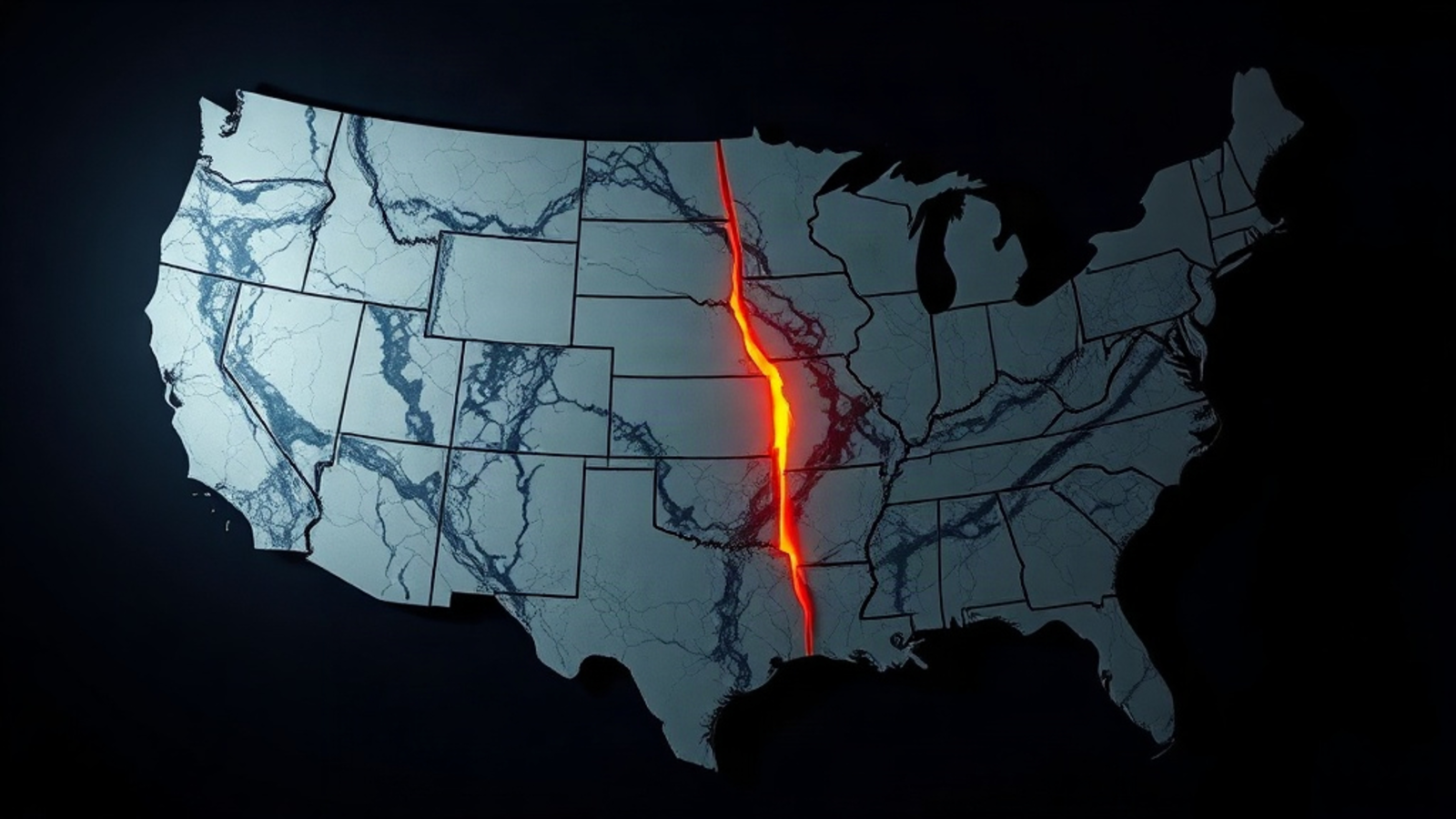
The Senate Map
Every U.S. Senate race on the 2026 ballot — candidates, current ratings, and projections, from the handful of toss-ups that will decide the majority to the safest seats in the country.
Read Post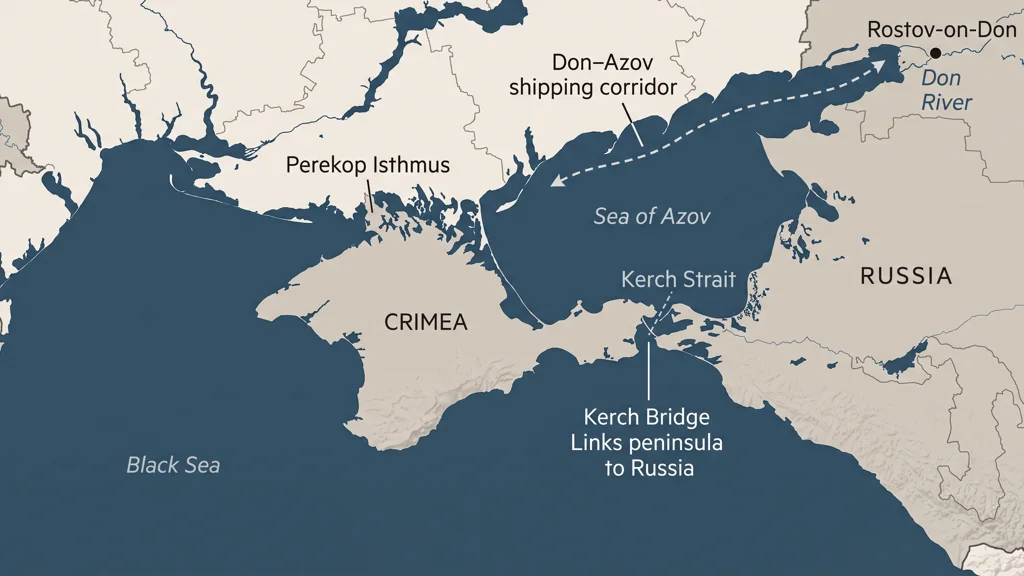

The Most Contested Words
The tension between bearing arms and well-regulated militias in modern America.
Read Post
The Mask of Legitimacy
On kleptocracy, corruption, and the cost of staying silent in a failing system.
Read Post
What Power Reveals
Weekly digest: observations, recommendations, and reflections from November 14, 2025.
Read Post
The Empty Mirror
Weekly digest: observations, recommendations, and reflections from January 2, 2026.
Read Post
What You Feed Grows
Weekly digest: observations, recommendations, and reflections from August 29, 2025.
Read Post
Crossroads
Weekly digest: observations, recommendations, and reflections from August 22, 2025.
Read Post
No Answer Expected
Executive summary of Letters: truth without outcome, speech without guarantee.
Read Post
Data Driven
Executive summary of The Stoic CGM: using data to govern the body without surrendering to it.
Read Post
Stoic Backgammon
Executive summary of The Stoic Citizen: virtue as a public discipline, not a private consolation.
Read Post
Indigenous Peoples 2025
Indigenous Peoples Day isn't really about renaming a Monday in October. It's about whether we're willing to look at what the old name asked us not to see.
Read Post
What we feed
Violence doesn't begin with the act. It begins long before, in roots most of us refuse to examine.
Read Post
Fibonacci
On the temptation to reach for the sledgehammer, and the discipline required to use the scalpel instead.
Read Post
Our Only Home
Remembering Carl Sagan, his cosmic perspective, and what it means to be starstuff.
Read Post
Justice Must Be Fixed
When justice bends under power and privilege, society pays the hidden price.
Read Post
Remembering Carl Sagan
An examination of constitutional rights, civic duty, and the erosion of freedom.
Read Post
You Still Have Rights
An examination of constitutional rights, civic duty, and the erosion of freedom.
Read Post

Finding My Way
Executive summary of Misaligned: when the map is wrong, discipline becomes damage.
Read Post

The Fourth Amendment
The Fourth Amendment in a digital age: why privacy matters and how it's eroding.
Read Post

45 Words
What the First Amendment really protects, why it matters now, and what threatens it.
Read Post
A More Perfect Union
An examination of constitutional rights, civic duty, and the erosion of freedom.
Read Post

What's Next?
An examination of constitutional rights, civic duty, and the erosion of freedom.
Read Post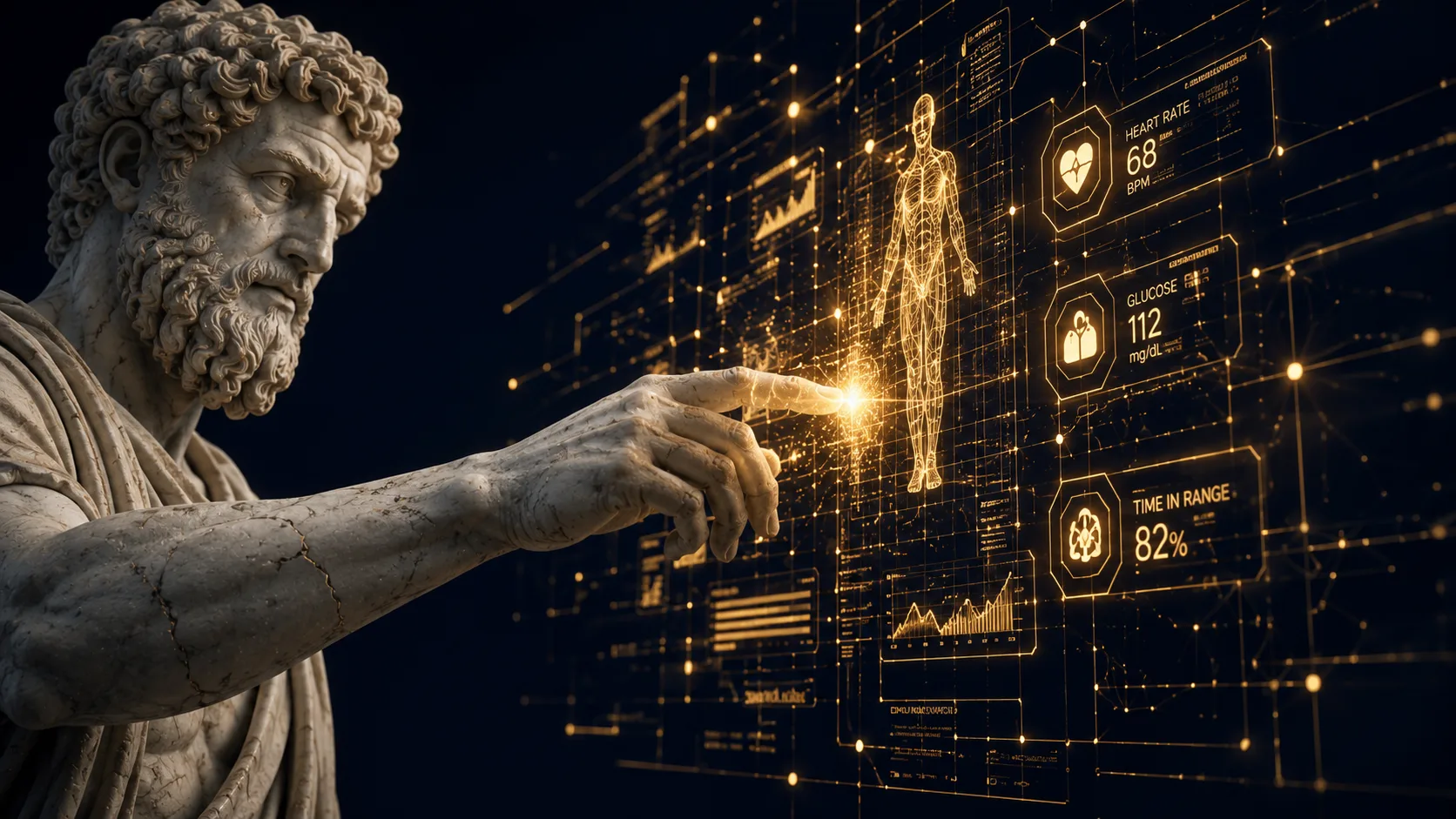
The Stoic CGM
Executive summary of The Stoic CGM: using data to govern the body without surrendering to it.
Read Post
Reflecting on 2025
Weekly digest: observations, recommendations, and reflections from January 2, 2026.
Read Post


The Roots of Violence
Violence doesn't begin with the act. It begins long before, in roots most of us refuse to examine.
Read Post

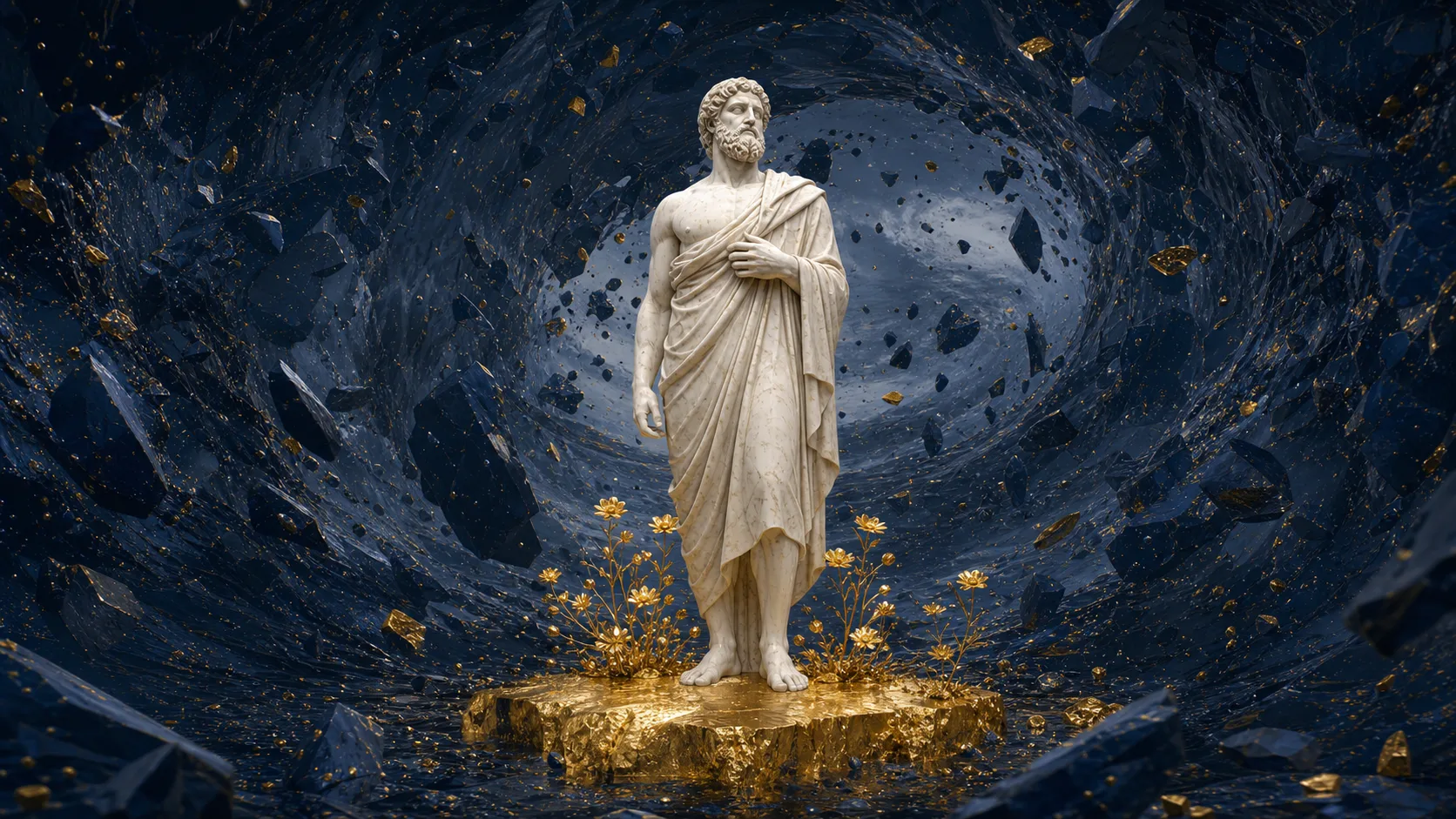
Standing Tall for the Things We Care About
Why standing up for democratic values matters now more than ever.
Read Post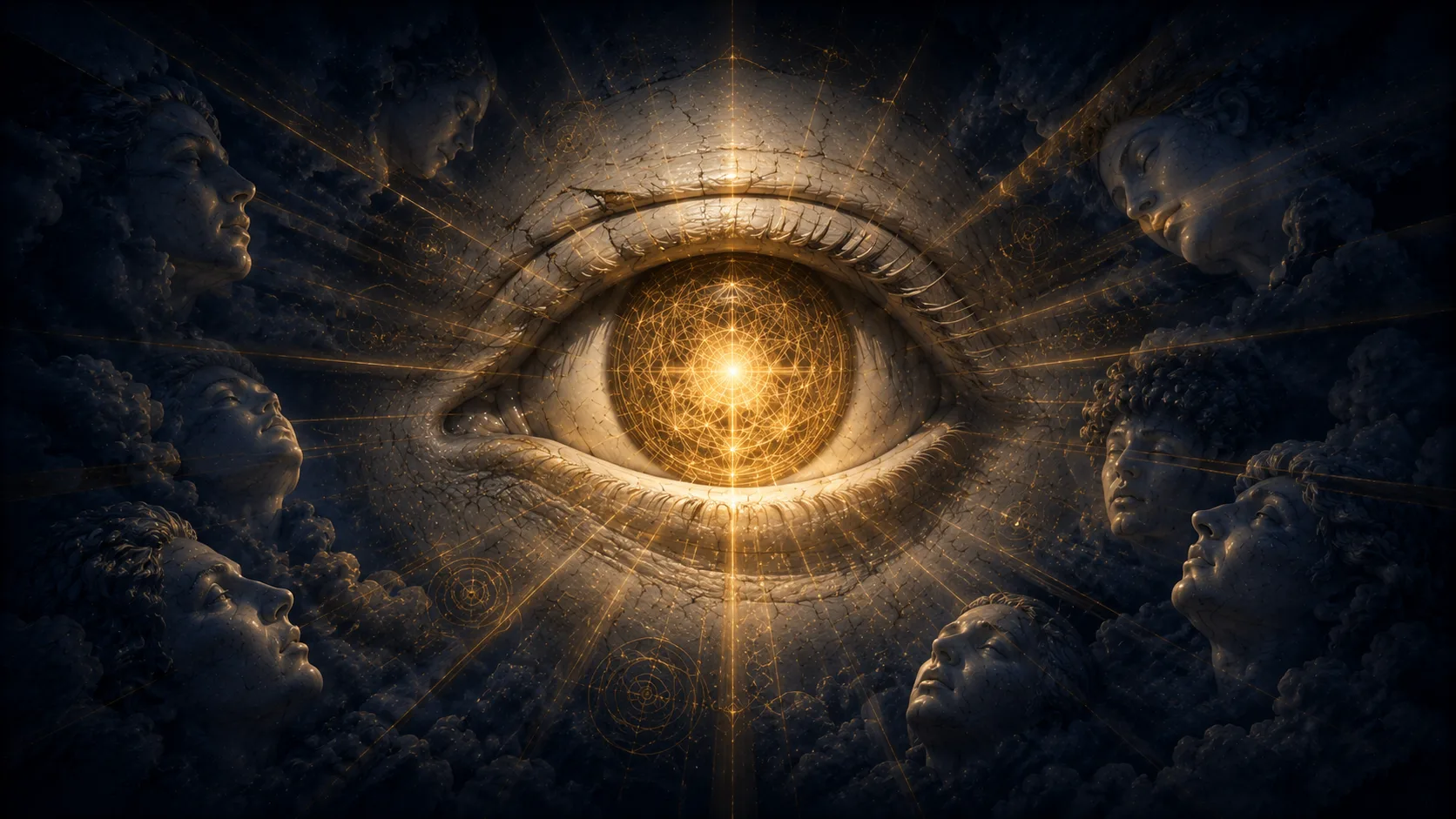
Proud to be Woke
If caring about people makes me woke, then I’ll wear the word like a medal.
Read Post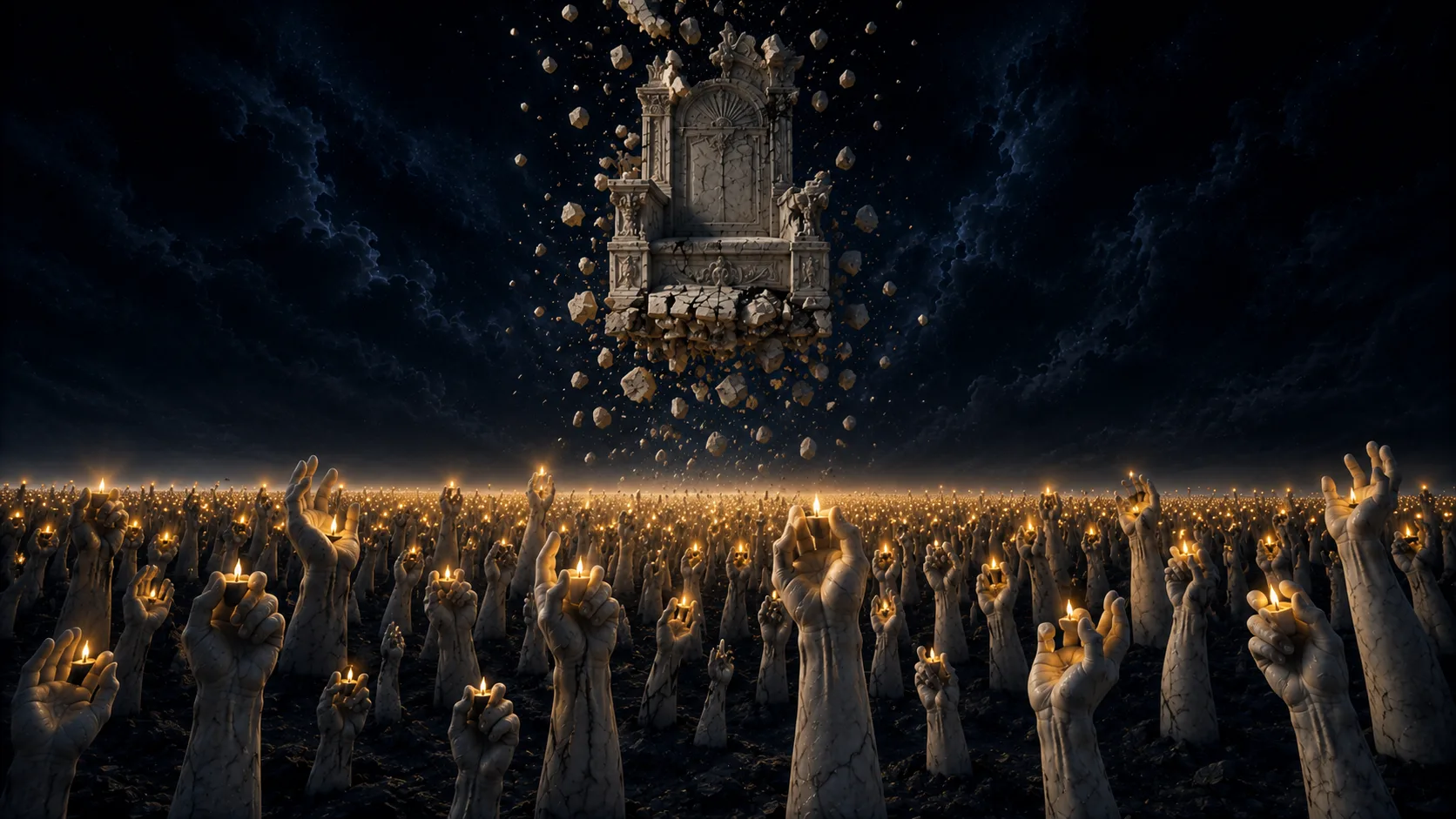
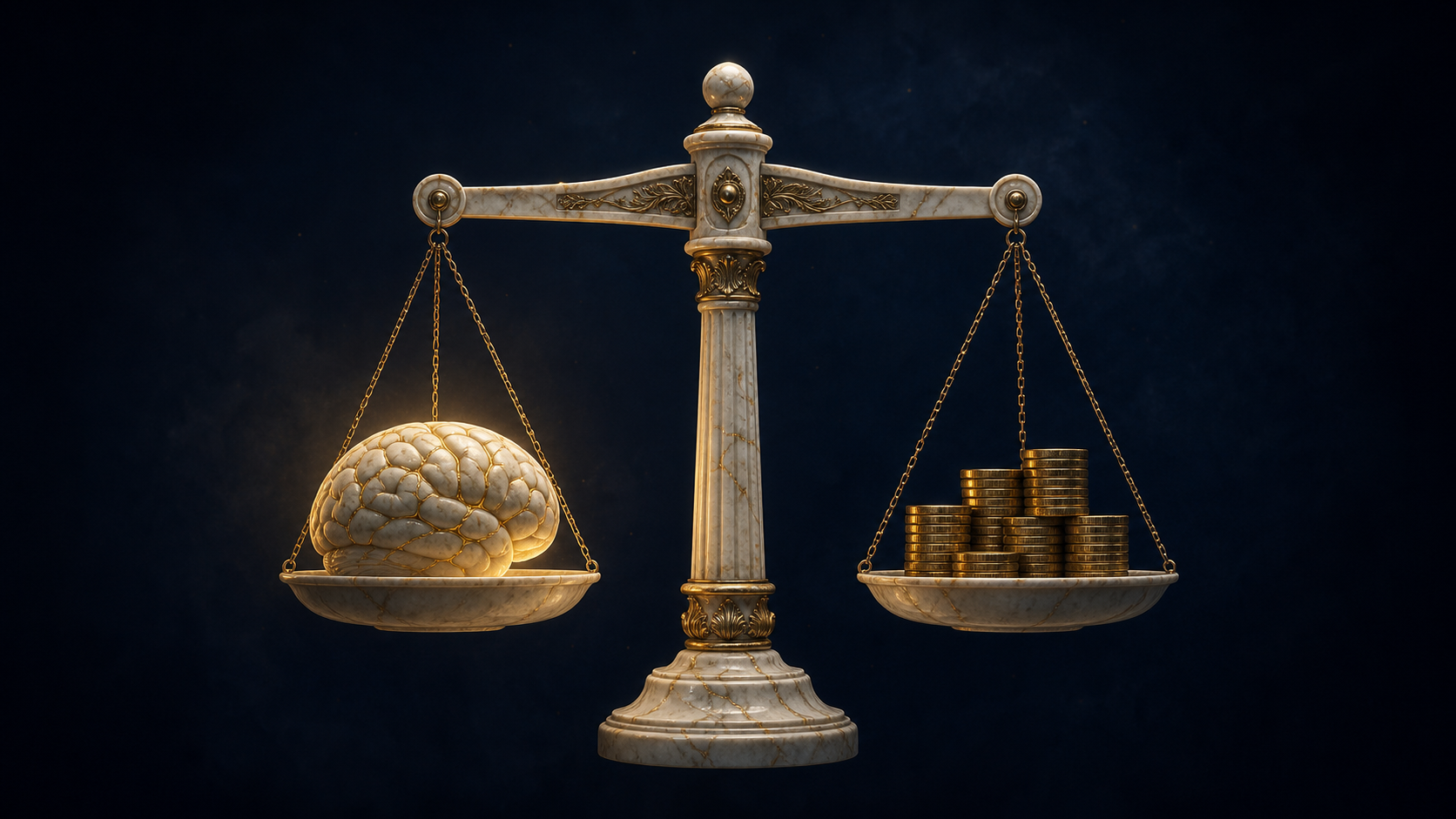
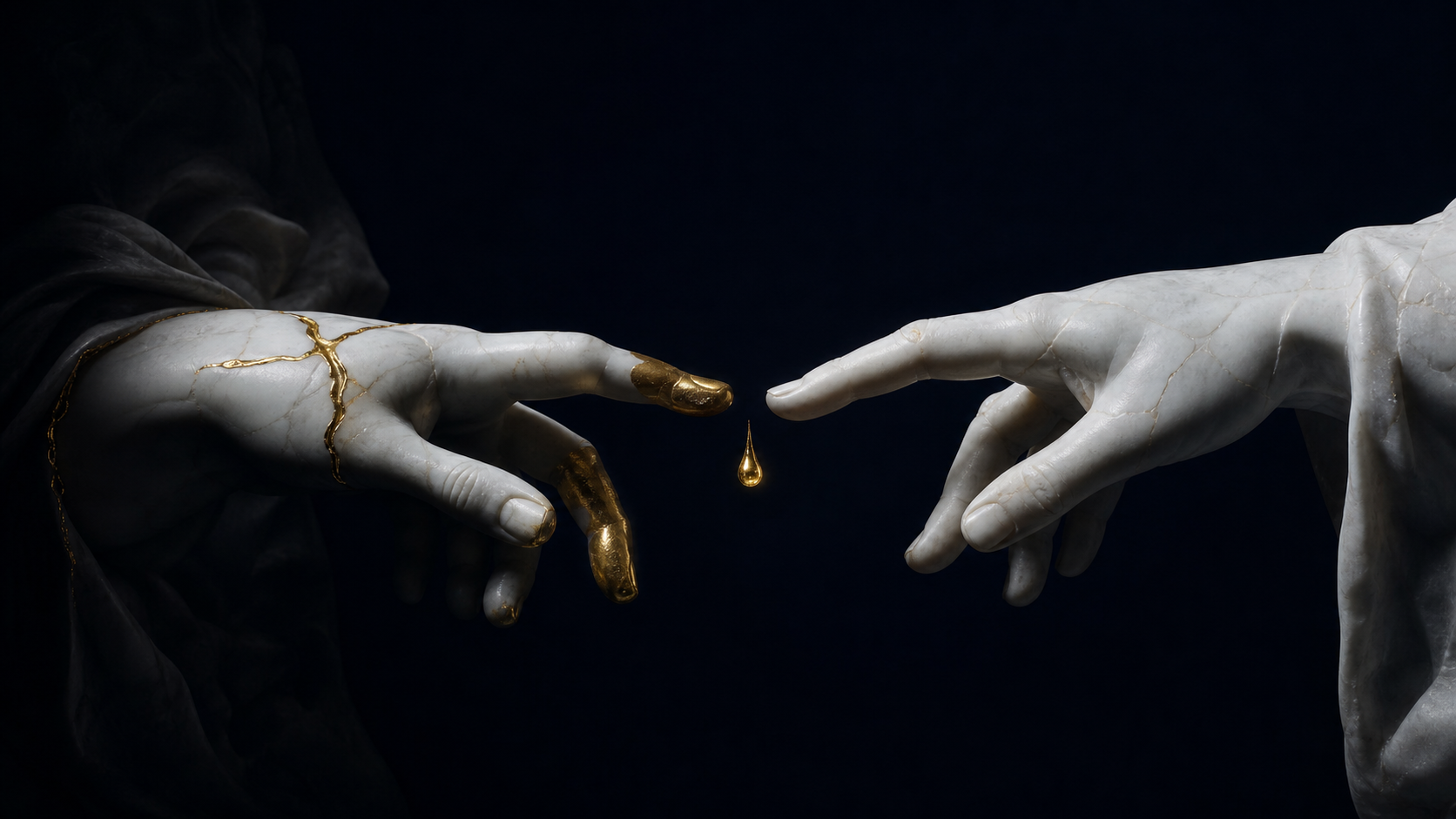
The Pause
Weekly digest: a collection of observations, recommendations, and personal reflections.
Read Post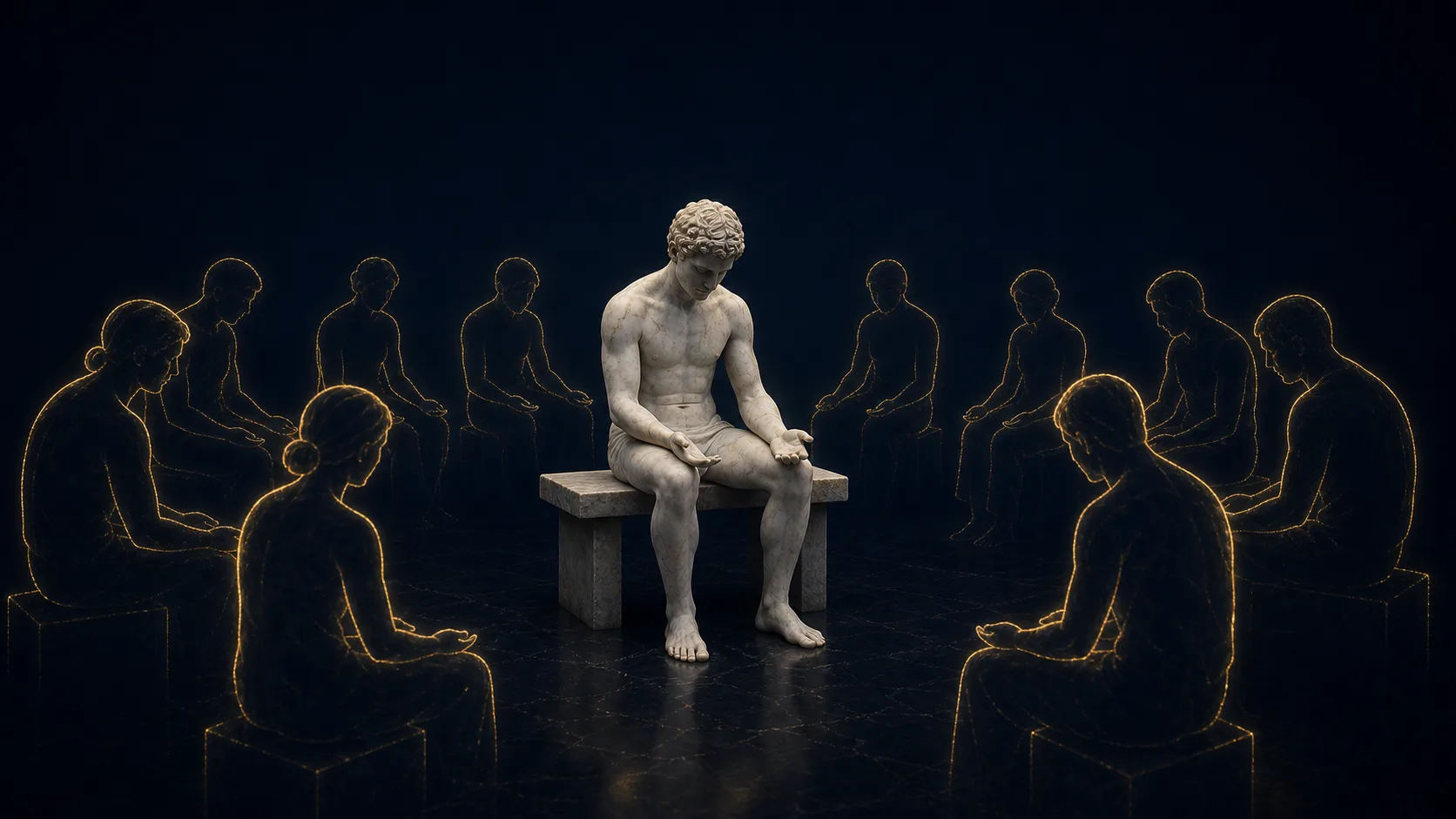

Expect the Storm
Managing risk in a fragile world: what investors and citizens need to know.
Read Post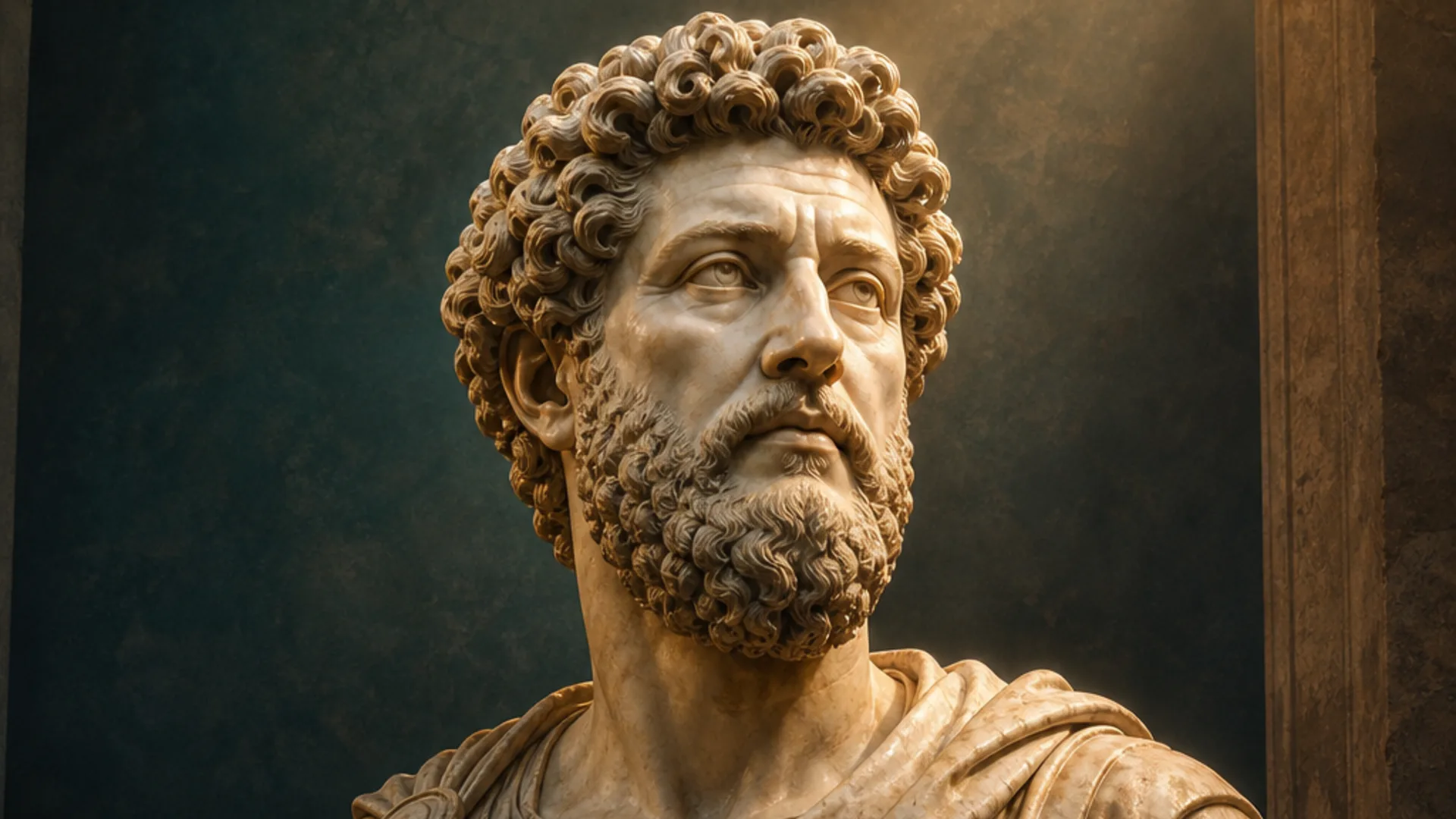
Unstuck
Executive summary of Unstuck: a Stoic framework for getting your life back on track.
Read Post
A Life Made Whole
Executive summary of A Life Made Whole: essays on holding yourself together when experience threatens to fragment.
Read Post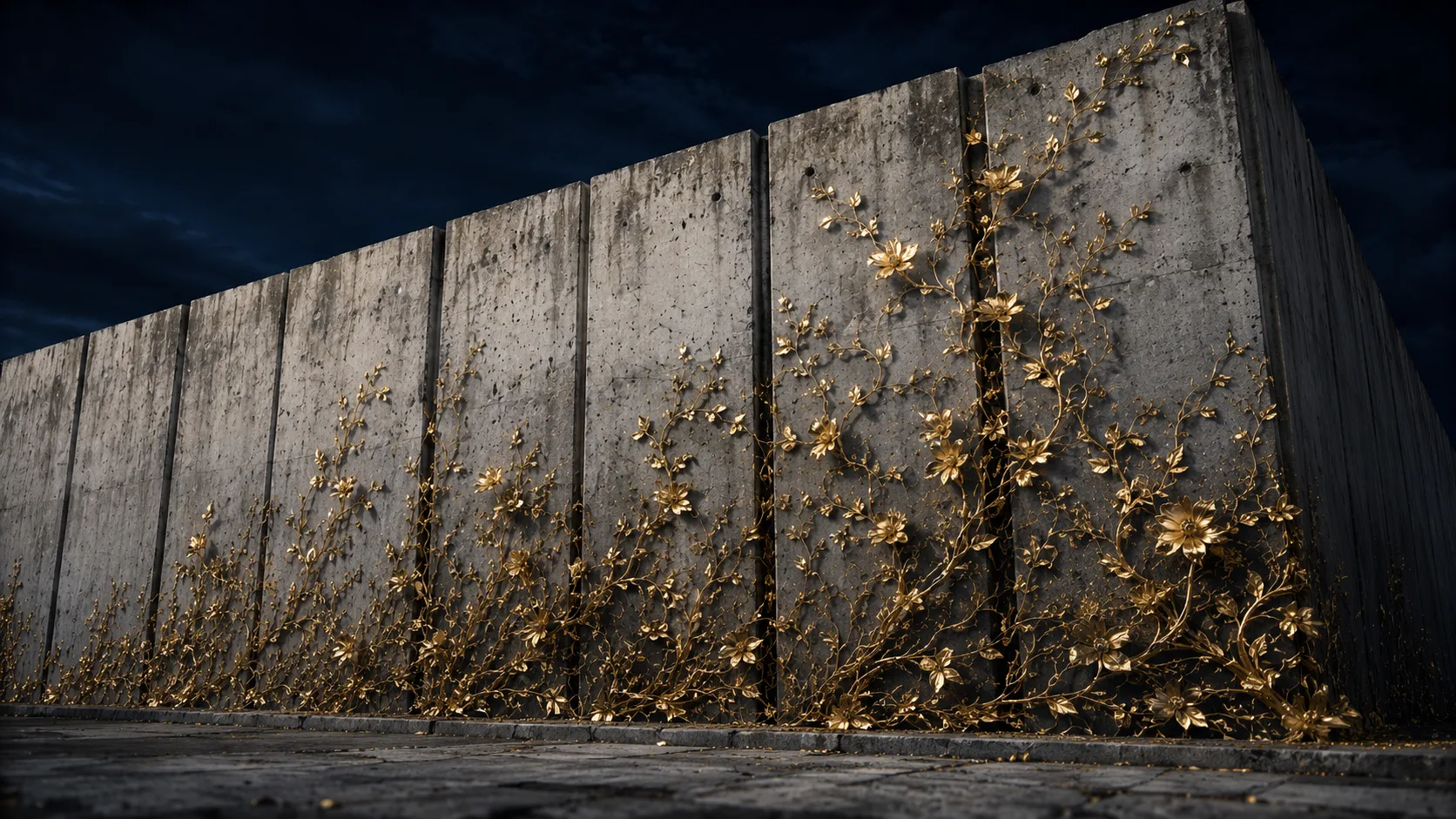
Think before picking up the hammer.
On the temptation to reach for the sledgehammer, and the discipline required to use the scalpel instead.
Read Post
Pale Blue Dot
Remembering Carl Sagan, his cosmic perspective, and what it means to be starstuff.
Read Post

The Economy is Fragile
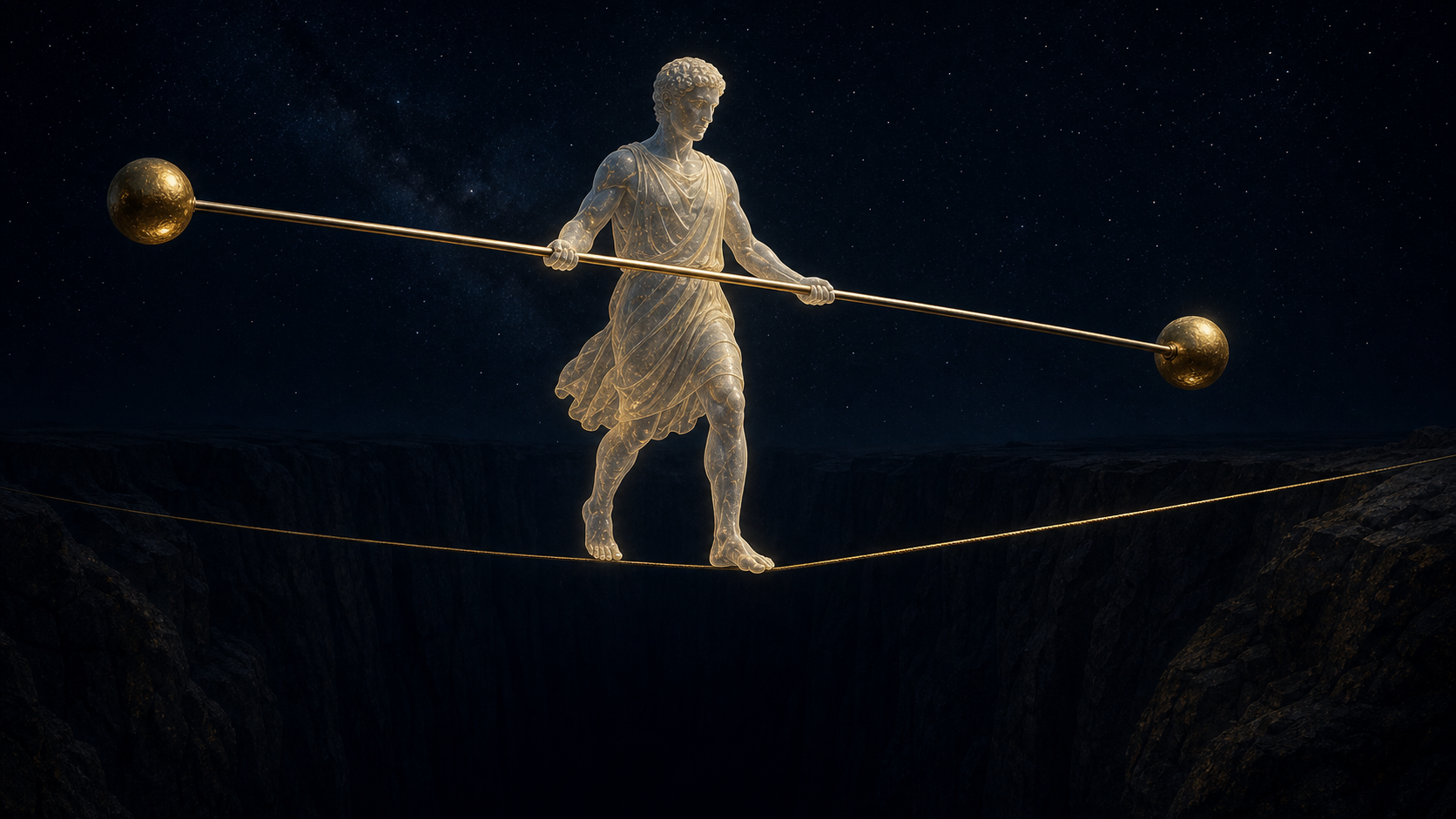
Managing risk in a fragile world: what investors and citizens need to know.
Read Post
Endurance
Premeditatio malorum as a practical way to meet setbacks without surrendering agency.
Read Post